Light
Bright shade while the tree is young, then more sun once established for heavier fruiting.
Nothing about this tree is in a hurry. The seed needs a winter it cannot skip, the root grows for two months before a leaf appears, and the first fruit is years away. Here is the whole arc, from fresh seed or nursery stock to an established tree.
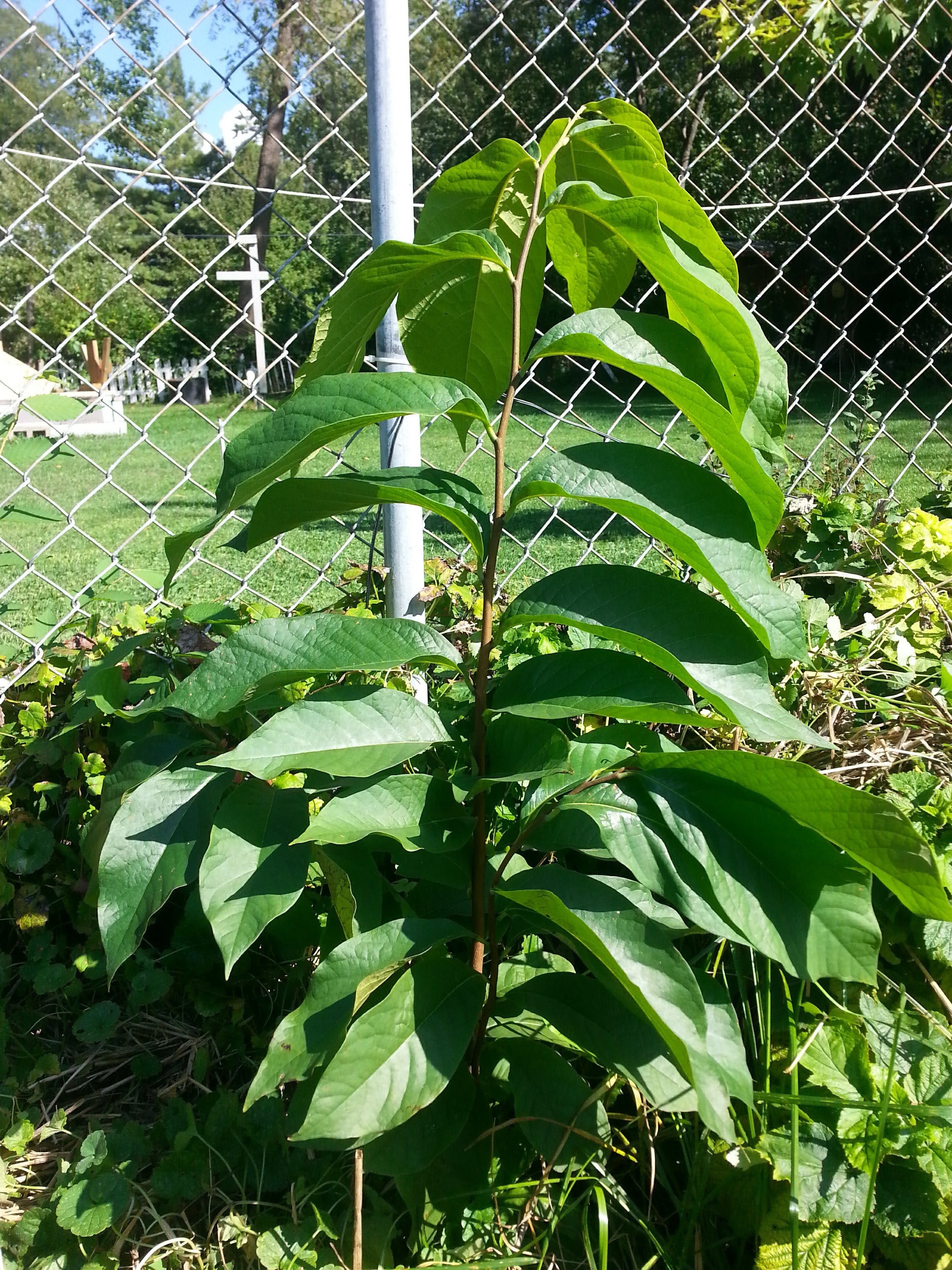
Pawpaws grow as understory trees when young and fruit best with more light once established. That combination, plus a taproot that wants depth and a second tree for pollen, is what the ground has to supply.
Bright shade while the tree is young, then more sun once established for heavier fruiting.
Deep, fertile, slightly acidic, reliably drained. The taproot needs somewhere to go.
Ground that stays damp without staying wet. Pawpaws will not tolerate standing water.
Room for at least two genetically distinct trees if fruit is the goal.
Best for restoration, experimentation, and growing several trees affordably. Fruit quality and time to bearing will vary because every seedling is a new genetic individual.
Choose a container-grown tree. A grafted named cultivar is the better choice when known fruit quality and earlier bearing matter most.
Pawpaw seed is not difficult so much as slow. Most failures begin before planting, when the seed dries out or freezes.
Keep it moist. Keep it patient. Germination after cold stratification happens at approximate timings: the root develops first and can run most of the depth of a ten-inch pot before the first shoot breaks the surface. That is why the container has to be deep and why a pot that looks empty in week six is usually still working.
Rinse away the fruit pulp, then keep the seed slightly moist. Do not let it dry out and do not freeze it. Either start the cold treatment right away or sow outdoors in late fall.
Seal the seed in a bag with a small amount of damp sphagnum moss and refrigerate it at 32 to 40 degrees Fahrenheit. The moss should feel damp, not wet.
Sow one inch deep in a loose, well-drained potting mix. Use a tree pot or root trainer at least 10 inches deep so the taproot can run straight down instead of curling at the bottom.
Keep the mix evenly moist and warm, ideally 75 to 85 degrees. Then leave it alone. The root can run most of the depth of a ten-inch pot before the first shoot breaks the surface.
Once a shoot does arrive, keep it in bright shade rather than direct afternoon sun. Outdoors, young pawpaws normally need temporary shade for their first growing season and sometimes their second.
Buy a container-grown tree rather than a bare-root one. Pawpaw roots are fleshy and brittle, and they resent being handled, so the less the root ball is disturbed the better the tree will take.
Plant in spring, as new growth is beginning. Keep the root ball intact, set the top of it level with the surrounding ground rather than sinking it, and leave at least eight feet between trees.
Water it in. Then shade it: shade cloth, or a temporary open shelter that still lets air and rain through. That protection comes off gradually, over the first two years, not all at once.
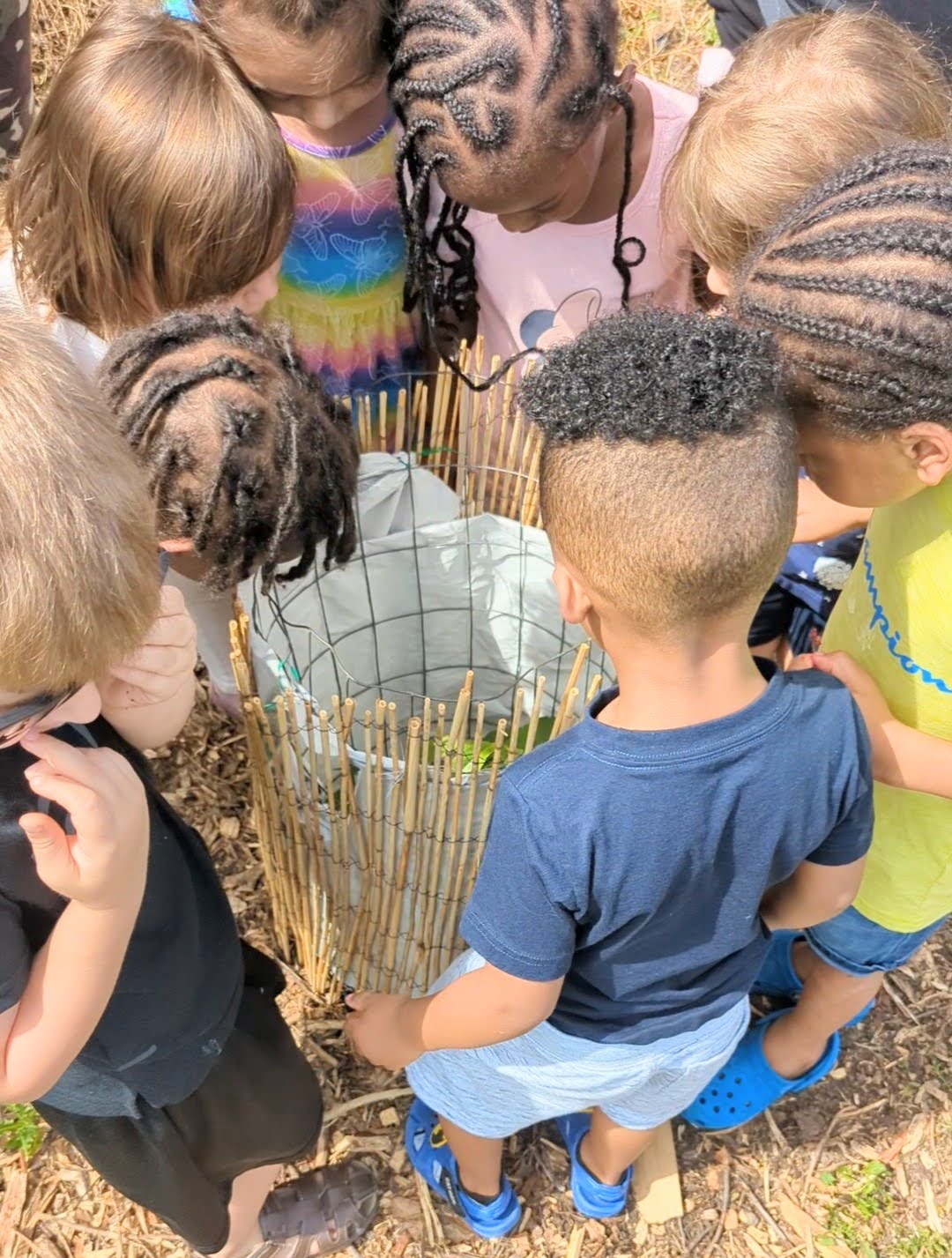
Check the shelter before growth starts, and keep grass and mulch pulled back from the trunk.
Water deeply enough to keep the soil evenly moist, and shade the leaves from hard afternoon sun and drying wind.
Ease off the water as growth slows. Leave the young tree protected from animals and mower damage.
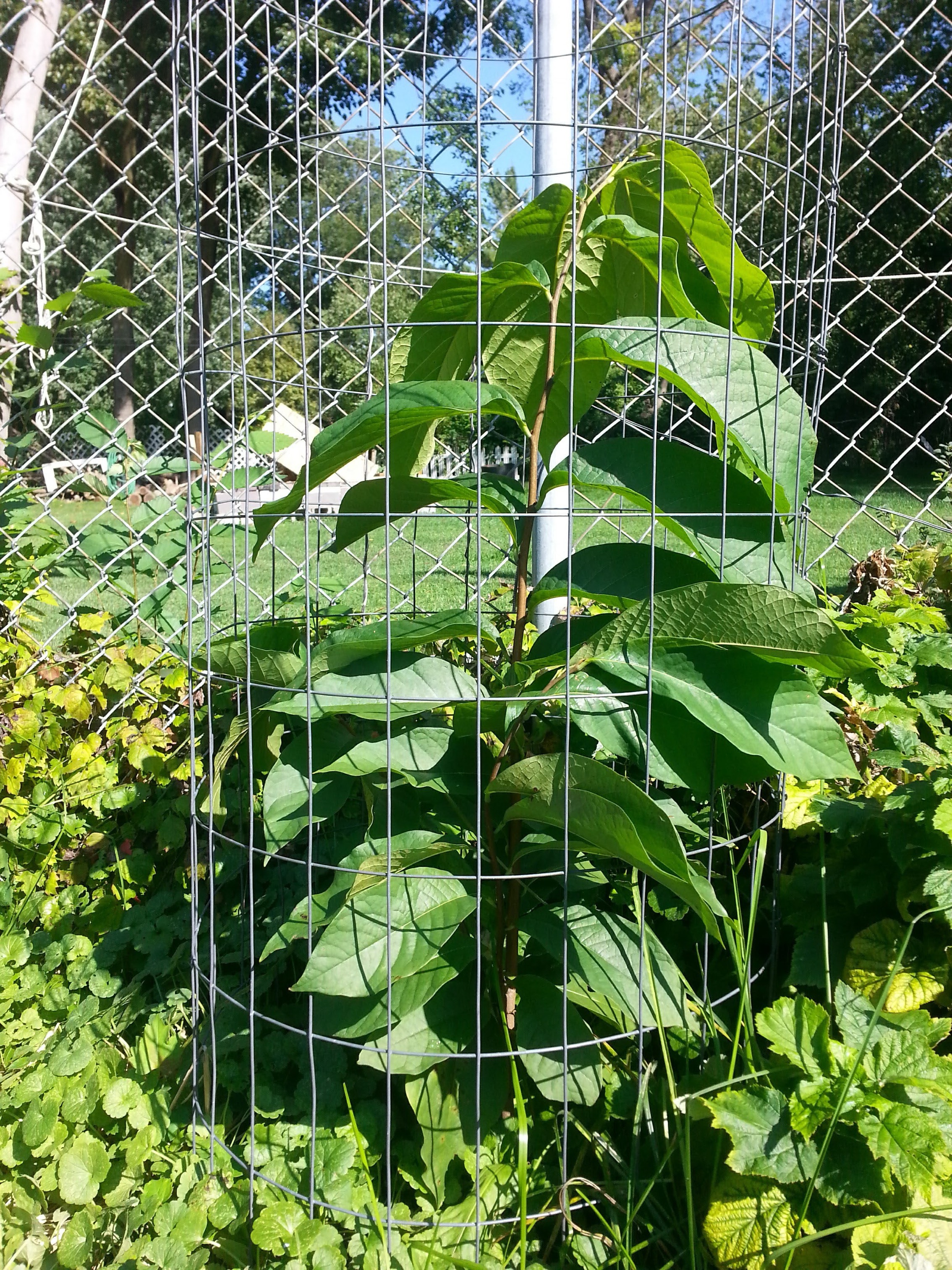
From its first summer to a bearing tree, the temporary shelter comes off across the first two years. A seedling is unlikely to fruit before its fifth year and can take until its eighth. A grafted tree gets there sooner.
Next
Eight years is a long time to wait by yourself. The Foundation plants pawpaws with volunteers, and the field guide covers the tree's range, ecology, and history.