Bringing the pawpaw home to Northern Illinois.

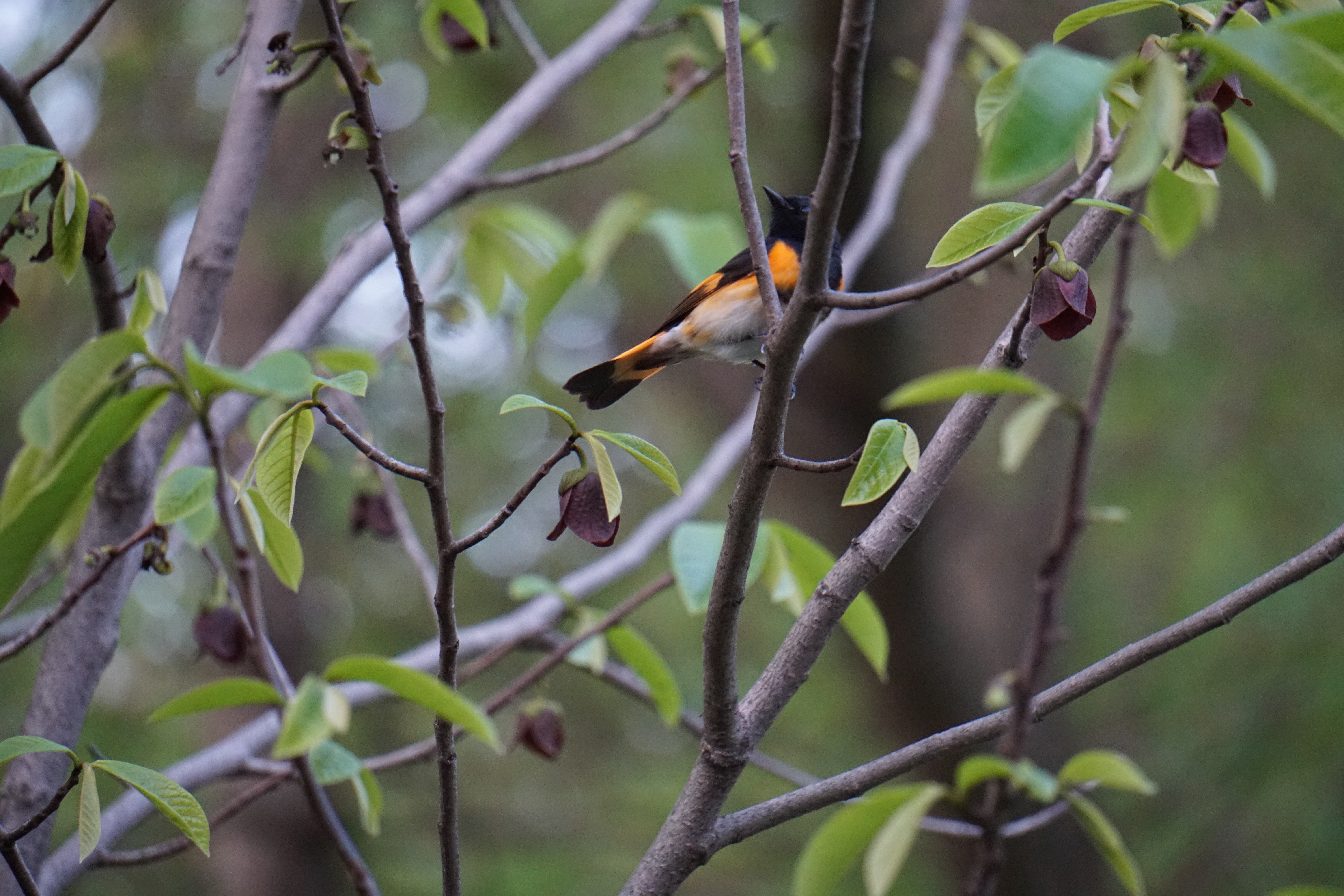
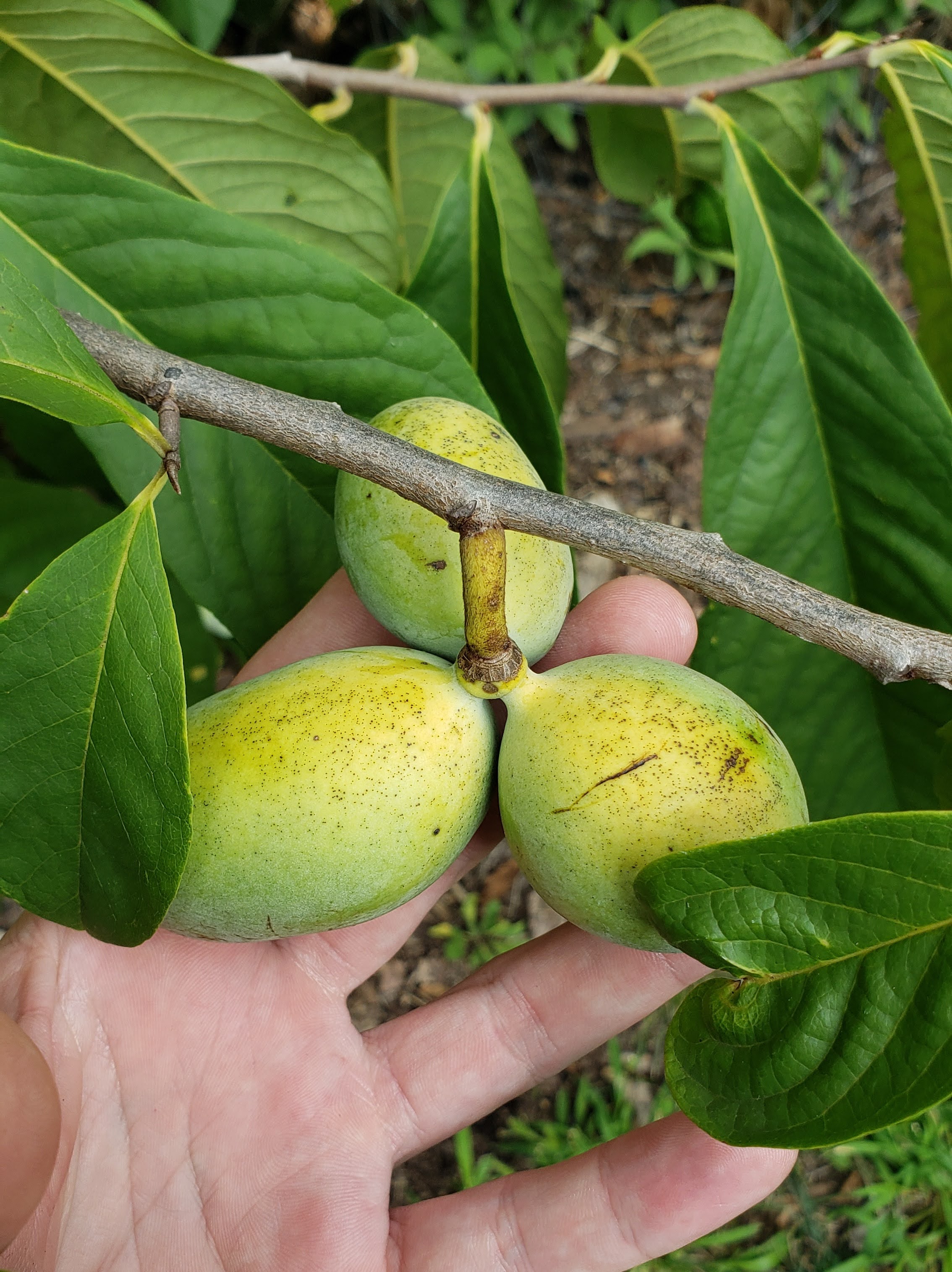
A DeKalb County foundation planting pawpaw (Asimina triloba), North America's largest native fruit,1 across schoolyards, parks, and prairie edges. We teach the next generation what it tastes like.
A nonprofit for the forgotten fruit of Northern Illinois.
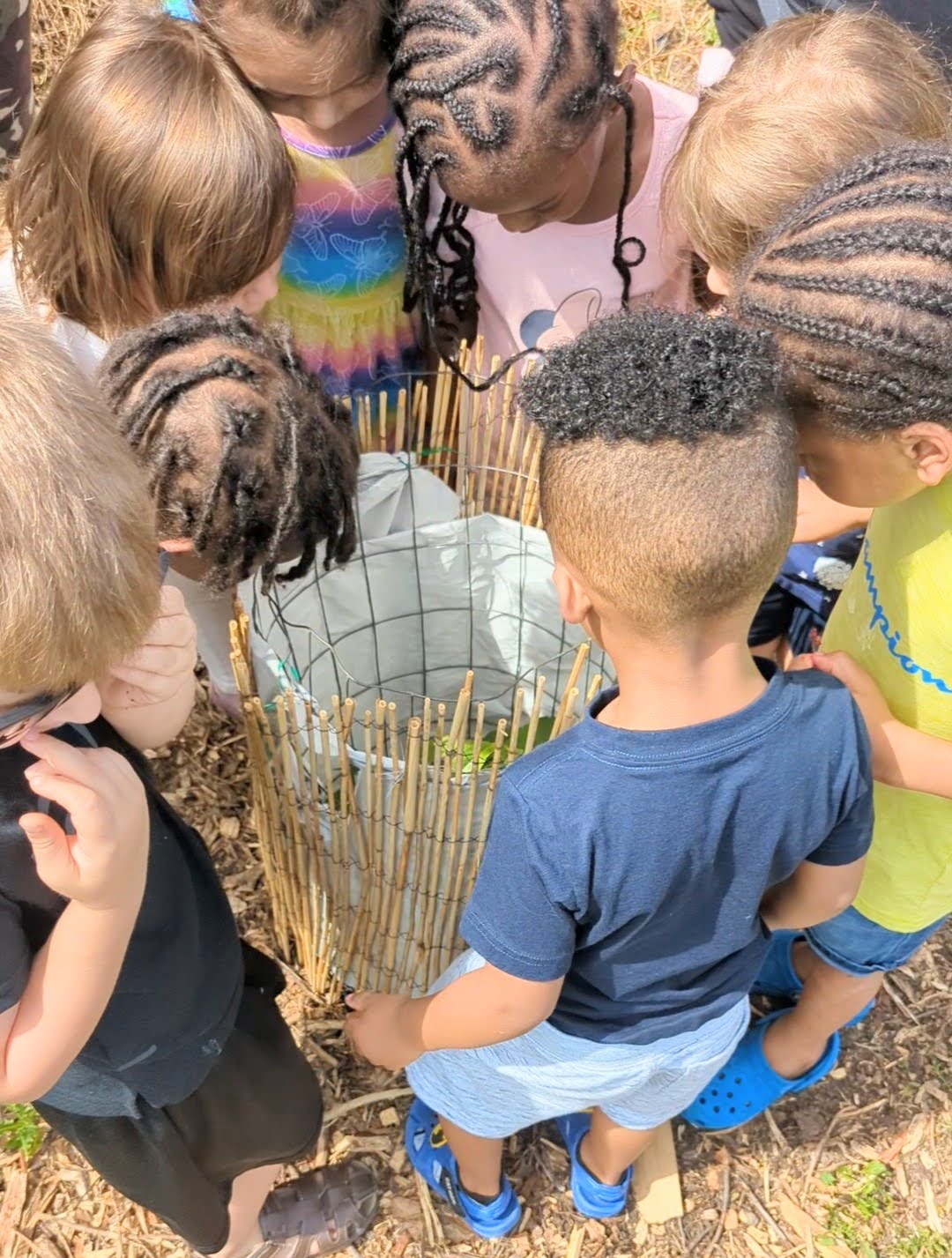
The Pawpaw Foundation is a DeKalb County nonprofit that plants pawpaw trees and teaches Northern Illinois communities what the tree is, where it grew, and what its fruit tastes like in fall.
We work alongside schools, parks, churches, and prairie restorations. Young pawpaws go in the ground, get mulched, get watered through their first summer. Each fall we run the education tent at the Pawpaw Festival in Paw Paw, Illinois, alongside NIU, where neighbors can finally taste the crop their grandparents knew.

Most people have never heard of the pawpaw. Fewer still have tasted one.
Banana, mango, vanilla custard. A fruit Lewis & Clark survived on.2 A fruit George Washington, by legend, ate chilled by the spoonful.3
It never reached grocery stores — too soft to ship, gone within a day of ripening. The few who taste one, foraged from a wet Midwestern woods in fall, rarely understand why it isn't better known.
The full field guide
From planting day records & volunteer logs
Plant a tree with us, or help fund the next hundred that go in the ground.
Spend a Saturday morning with us.
Our next event is Saturday, May 2 at 10am, NIU North 40 (590 Garden Rd, DeKalb). A volunteer work day at an established pawpaw planting. The trees are blooming, we'll talk hand pollination, and everyone goes home with free stratified seeds.
- ·May 2 work day · NIU North 40
- ·Grove maintenance · Summer
- ·Pawpaw Festival · September
- ·School visits · year-round
Underwrite a sapling, a school, or a grove.
Tax-deductible. Goes directly to nursery stock, classroom materials, and the volunteer logistics that get trees in the ground.
- $25
- One pawpaw seedling
- $100
- Mini-grove of 4 trees
- $250
- Underwrite a planting day
The Pawpaw Foundation is a DeKalb County nonprofit. Every dollar goes to nursery stock, classroom programs, and the volunteer infrastructure that puts trees in the ground.
3 sources
- Largest edible fruit native to North America; botany, taste, and cultivation history: Kentucky State University Pawpaw Program, “The Pawpaw (Asimina triloba).” KSU runs the world’s only full-time pawpaw research program and hosts the USDA National Clonal Germplasm Repository for the species. ↩
- Lewis & Clark subsisting on pawpaws when provisions ran out: Journals of the Lewis & Clark Expedition, entry of September 18, 1806 (University of Nebraska–Lincoln). ↩
- George Washington recorded planting pawpaws at Mount Vernon in his 1785 diary: George Washington’s Mount Vernon, “Pawpaw.” The colorful tale that he chilled them in spring water and ate them by the spoonful is popular folklore with no contemporary documentation — see Colonial Williamsburg, “Forgotten Fruit” (2018) — so we share it as legend, not fact. ↩