Family
Annonaceae (custard apples; its closest cousins are tropical).
The largest native fruit in North America. Very few people in Illinois have tasted one.
The pawpaw is the largest edible fruit native to North America. It grows wild from the Gulf Coast to the Great Lakes, including the creek bottoms and shaded woodlands of Northern Illinois, and produces oblong, greenish-yellow fruits with a flavor most people compare to banana, mango, and vanilla custard.
Legend has it George Washington chilled pawpaws in spring water and ate them by the spoonful; we have a direct record that he grew them at Mount Vernon. Lewis and Clark subsisted on them when their provisions ran out in September 1806.
In the two centuries since, forests were cleared, the modern food system rewarded fruit that could ship, and suburbs replaced woodlands. The pawpaw quietly fell out of the American diet.
Its short shelf life kept it out of grocery stores. Its sole pollinators are flies and beetles. Its leaves are the only food zebra swallowtail caterpillars will eat. The pawpaw is, in every sense, a fruit of place. That is exactly why it is worth bringing back.
Annonaceae (custard apples; its closest cousins are tropical).
Eastern United States, Gulf Coast to southern Ontario.
15–25 feet, understory tree.
Up to one pound; greenish-yellow; ripens August–October.
USDA zones 5–9, including Northern Illinois.
Rich, moist, well-drained; likes creek bottoms.
Flies and beetles, not bees.
Zebra swallowtail butterfly (Protographium marcellus).
Raccoons, opossums, foxes, and black bears.
150+ in North America.
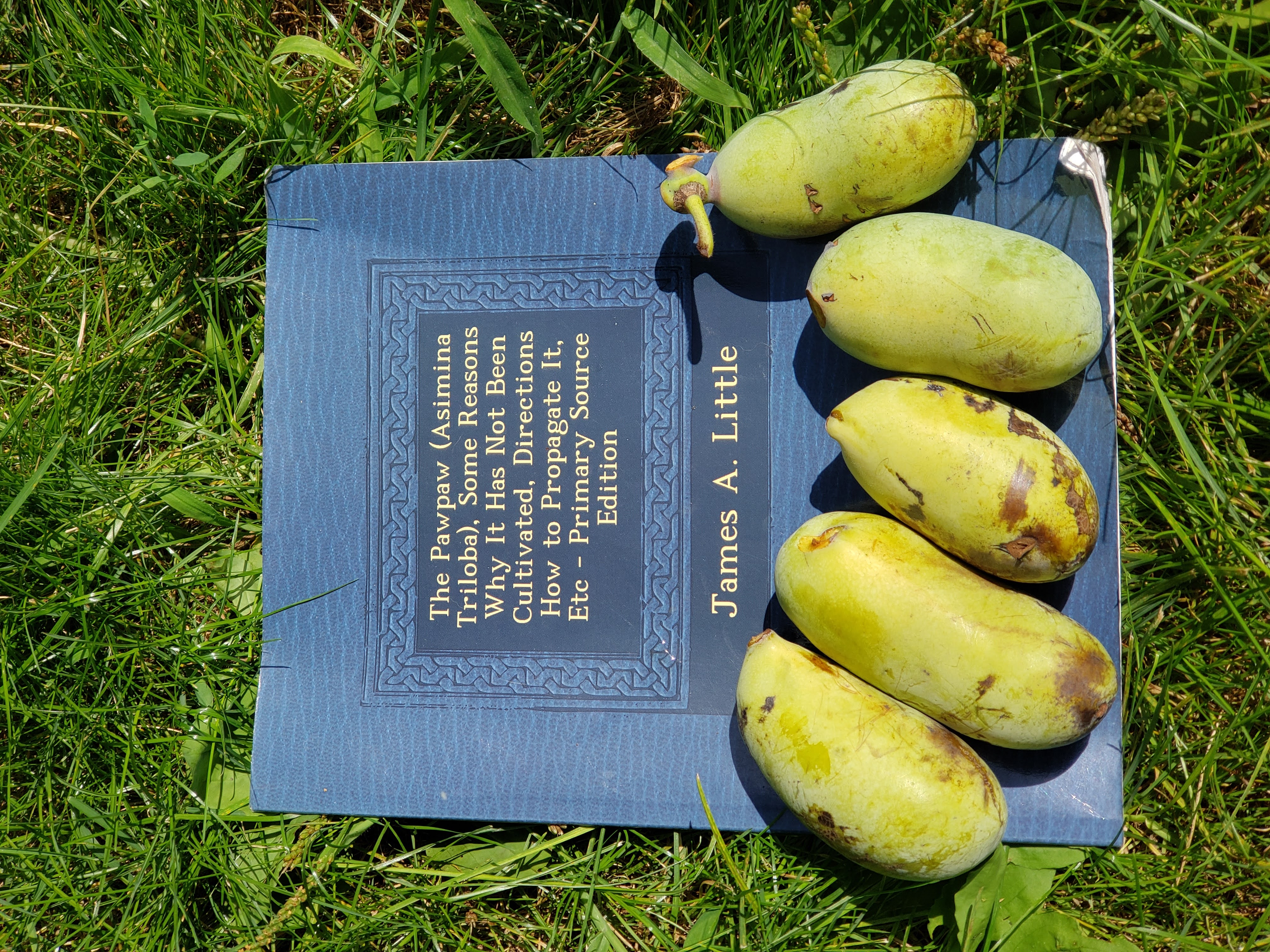
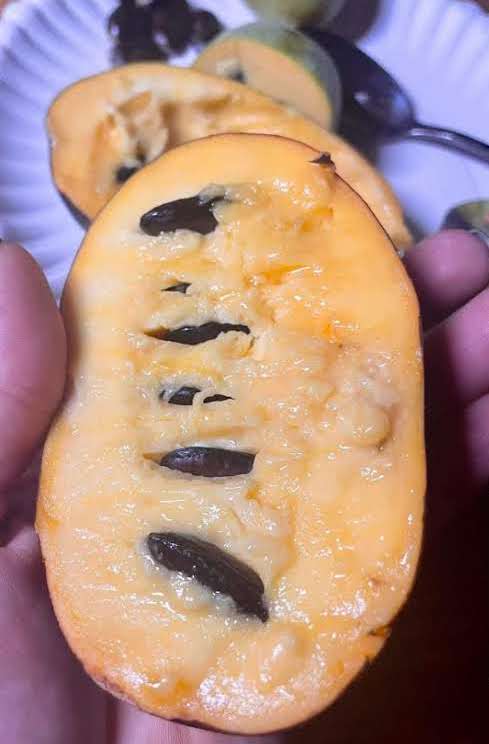
Imagine cutting into a ripe mango whose flesh tastes like banana and vanilla custard. It is creamy and pudding-like, with large brown seeds that pop out easily. Best eaten fresh, straight from the tree, when the fruit gives slightly to pressure.
Like a mango, a pawpaw is best enjoyed without eating the skin or seeds. And it does not ship well: three days off the tree and the fruit starts to bruise; a week and it is past its prime. They are rarely seen in grocery stores, turning up mostly at farmers' markets and devoted festivals. The best way to know what a pawpaw tastes like is to find one, grow one, or visit the Pawpaw Festival in Paw Paw, Illinois.
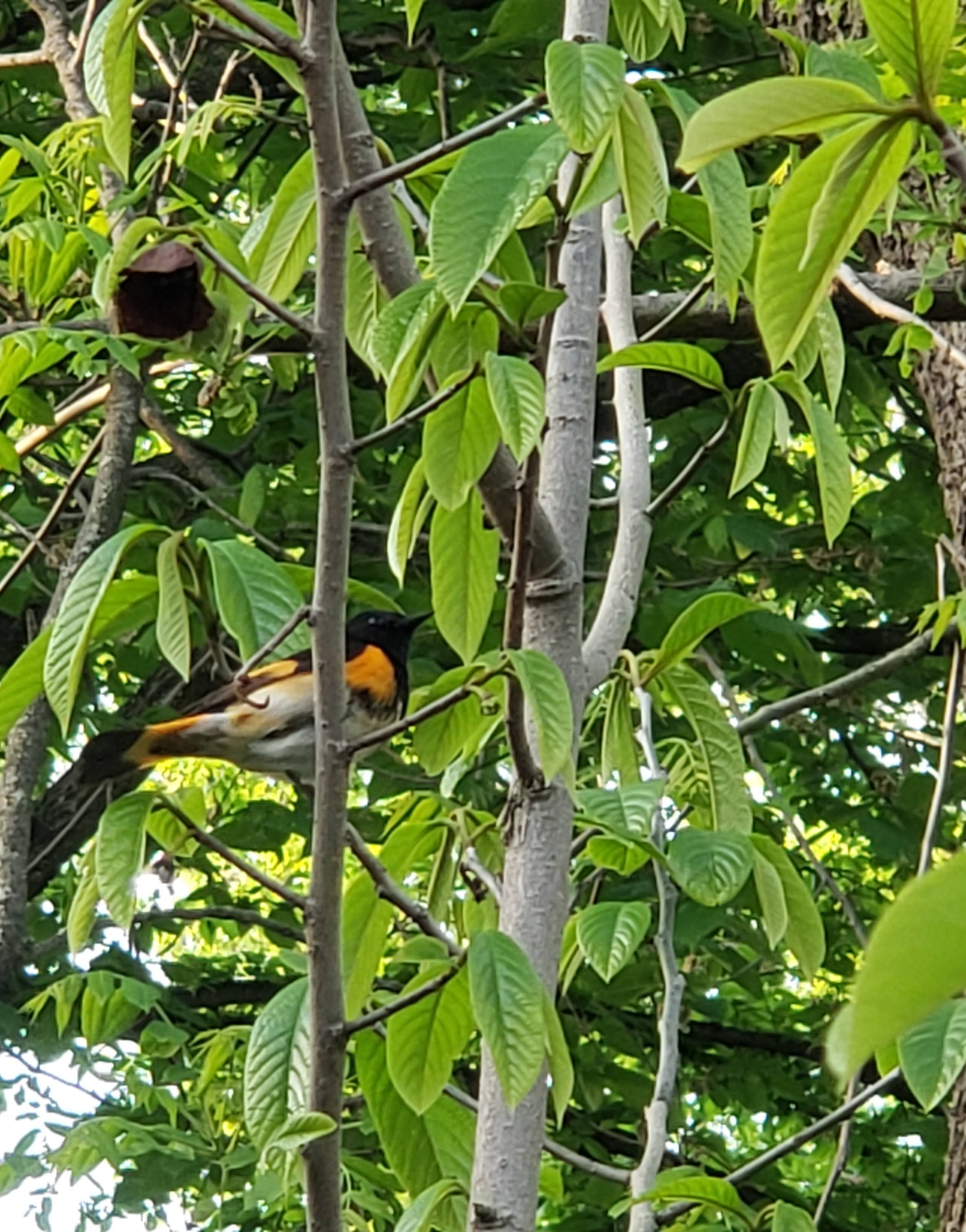
The zebra swallowtail butterfly cannot complete its life cycle without pawpaw leaves. Where pawpaw goes, the butterfly follows. Where pawpaw is lost, the butterfly disappears.
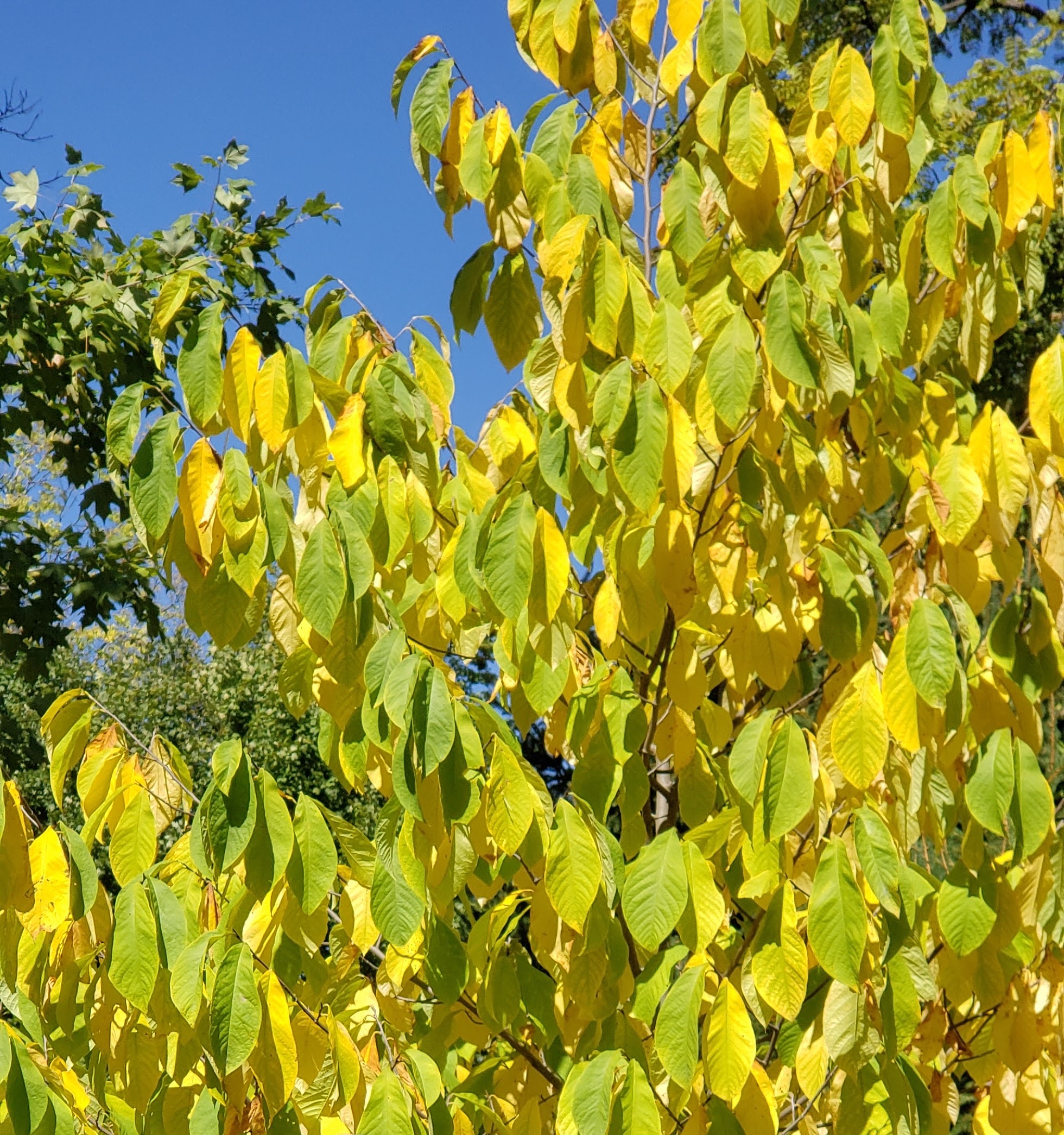
Pawpaws thrive in dappled shade beneath oaks and hickories, spreading by root suckers to form dense clonal groves that stabilize streambanks and shade out invasives.
Raccoons, opossums, foxes, and black bears all eat the fruit, providing critical calories from late summer into fall.
Plant at least two genetically distinct varieties; pawpaws need cross-pollination.
Pick rich, moist, well-drained soil. Creek bottoms and shaded yards both work.
Shade young trees for their first one to two summers. Direct, full sun can scald seedlings and transplants.
Water consistently through the first establishment year, especially in late July and August.
Mulch heavily to retain moisture and suppress understory competition.
Wait. Pawpaws are slow. First fruit usually arrives once the tree reaches about six feet — around years five to seven for grafted trees, sometimes as many as ten from seed.
Kentucky State University runs the world's only full-time pawpaw research program and the USDA's national pawpaw germplasm collection.
Open resourceNeal Peterson's decades-long breeding program — the source of the Shenandoah, Susquehanna, and Rappahannock cultivars.
Open resourceA grower network with a newsletter, regional contacts, and events for backyard and orchard growers alike.
Open resourceResearch, educational orchards, and advocacy working to bring North America's largest native fruit into wider cultivation.
Open resource